Are you planning a wedding in St. Augustine? The excitement is real, but once the engagement buzz settles, you might be wondering what to tackle first.
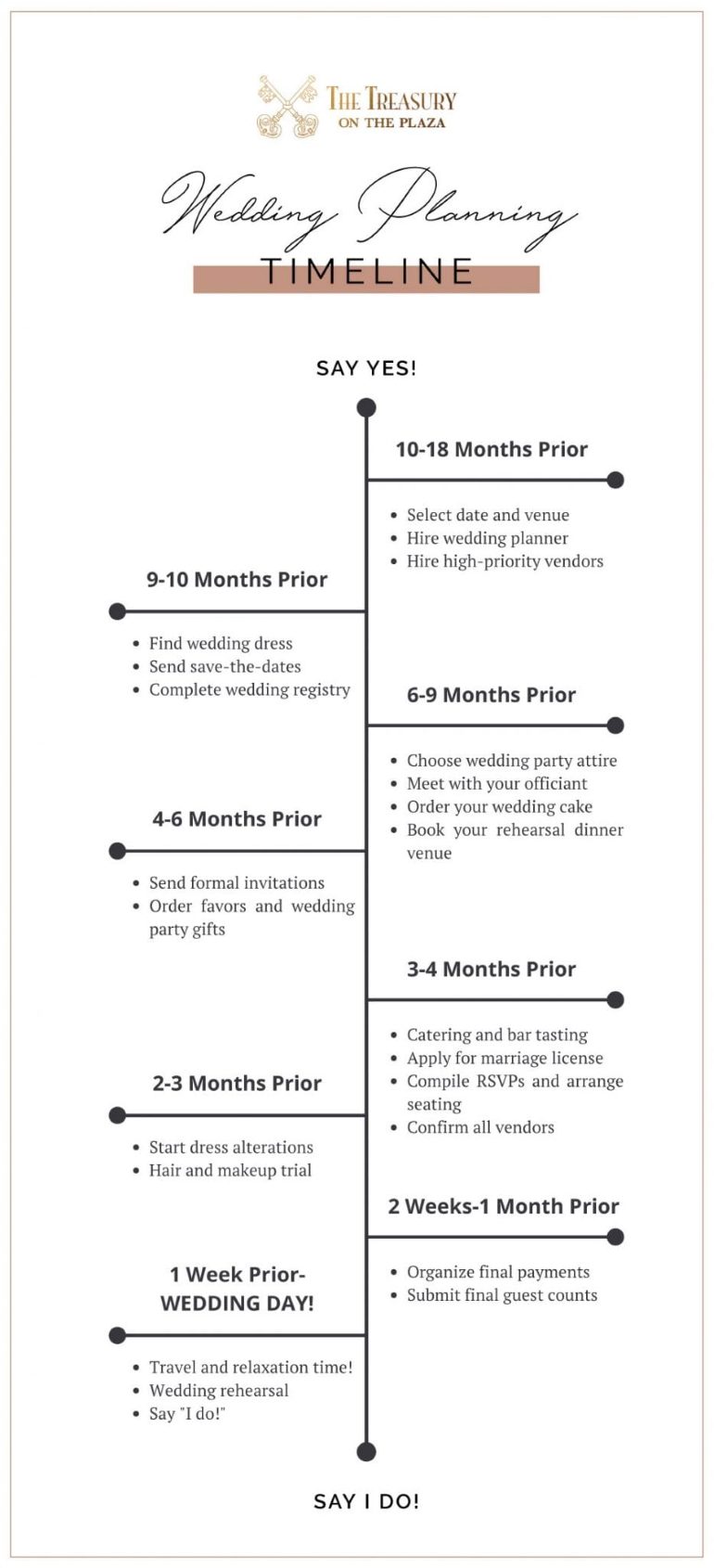
A wedding planning timeline can make the process feel much more manageable. Not because every wedding follows the same schedule, but because some decisions affect the ones that come later. When those decisions happen in the right sequence, the whole journey from engagement to celebration will feel smoother and more enjoyable.
In this guide, you’ll discover:
- How long wedding planning typically takes, with insights specific to St. Augustine
- What to prioritize first
- When to book key vendors
- What to finalize in the final months and weeks
- Common details couples often overlook along the way
Before You Start: How Long Wedding Planning Actually Takes
Planning a wedding often takes more time than you might expect. In St. Augustine, couples typically spend 12 to 24 months preparing for their big day, thanks to the city’s popularity as a wedding destination.
Your planning timeline depends on a few key factors: your wedding date, guest count, season, type of venue, and which vendors are most important to you. Weekday or off-season celebrations can often be planned in a shorter timeframe because vendors are more readily available. Peak-season weddings, on the other hand, usually require longer lead times to secure the top venues and most sought-after photographers, planners, and other vendors.
After getting engaged, it’s important to take a moment to enjoy the excitement. Don’t feel pressured to start planning right away. When you’re ready, take the time to discuss your priorities together. Talk through your preferred location, guest count, budget, and the overall experience you want to create. Having those conversations early on will give you a clear direction and make the rest of your planning feel much more manageable.
12-24 MONTHS OUT
This is when your wedding starts to take shape. You’re moving from ideas and inspiration into real decisions that will guide everything that follows.
For many couples, this is the most important phase of planning. In a destination like St. Augustine, popular venues, planners, and photographers often book well over a year in advance, especially for Saturdays. The earlier you make these foundational decisions, the more options you’ll have.
I. Set Your Budget and Guest Count
Before you start touring venues or reaching out to vendors, take time to define two things: your budget and your guest count.
These decisions will shape almost every part of your wedding. Your venue options, catering costs, rentals, bar service, and even your floor plan all depend on how many guests you plan to host.
This is also the point where couples benefit from being very clear about who is contributing financially. If parents or other family members are involved in financial decisions, it helps to define expectations early rather than making assumptions and adjusting midway through the process.
II. Choose a General Location and Season
Once you have a working budget and guest count, narrow the search by deciding on a general location and season. This gives structure to your venue search and helps you compare options with more clarity.
Many couples are drawn to St. Augustine because it naturally creates a full wedding weekend experience. With hotels, restaurants, and historic attractions all nearby, your guests can turn your wedding into a mini getaway without needing a lot of additional planning.
Once you’ve narrowed down a location, consider the season when you want to say, “I do.” The timeframe affects availability, hotel pricing, vendor demand, and the overall pace of planning. If you have your heart set on a Saturday during the most popular times of year–which are often Fall through Spring in St. Augustine–you’ll likely want to move quickly. If you’re more flexible with timing, you may have more options.
III. Select a Venue and Date
Once your budget, guest count, and overall direction are clearer, venue research becomes much more productive. This is one of the first major decisions that turns the wedding from an idea into something more concrete.
Your venue influences far more than your wedding aesthetics. It affects the date, guest experience, design direction, vendor options, and how the day will actually flow. Once the venue and date are secured, it becomes much easier to move forward with the rest of your vendor team.
For many couples, venue availability plays a major role in choosing a wedding date. If you have a specific venue in mind, your date will often depend on what they have available. The more flexible you are with your timing, whether that’s the day of the week or time of year, the more options you’ll have. Your date can also impact overall pricing, with certain seasons and Saturdays typically being in higher demand.
As you tour spaces, try to look beyond first impressions and think about how each venue supports your overall vision. Consider your guest count, flow of the day, and how much coordination will be required to bring everything together.
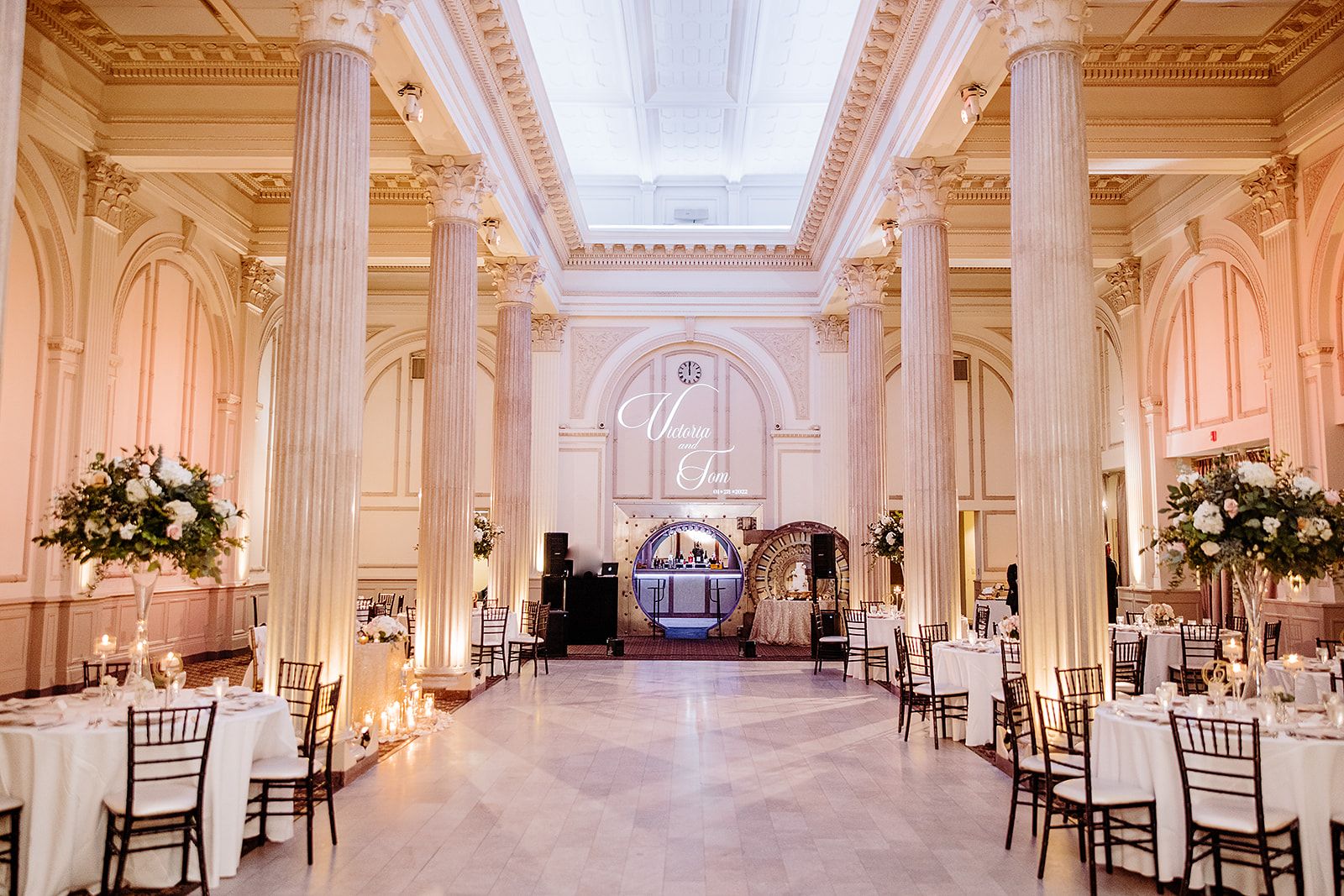
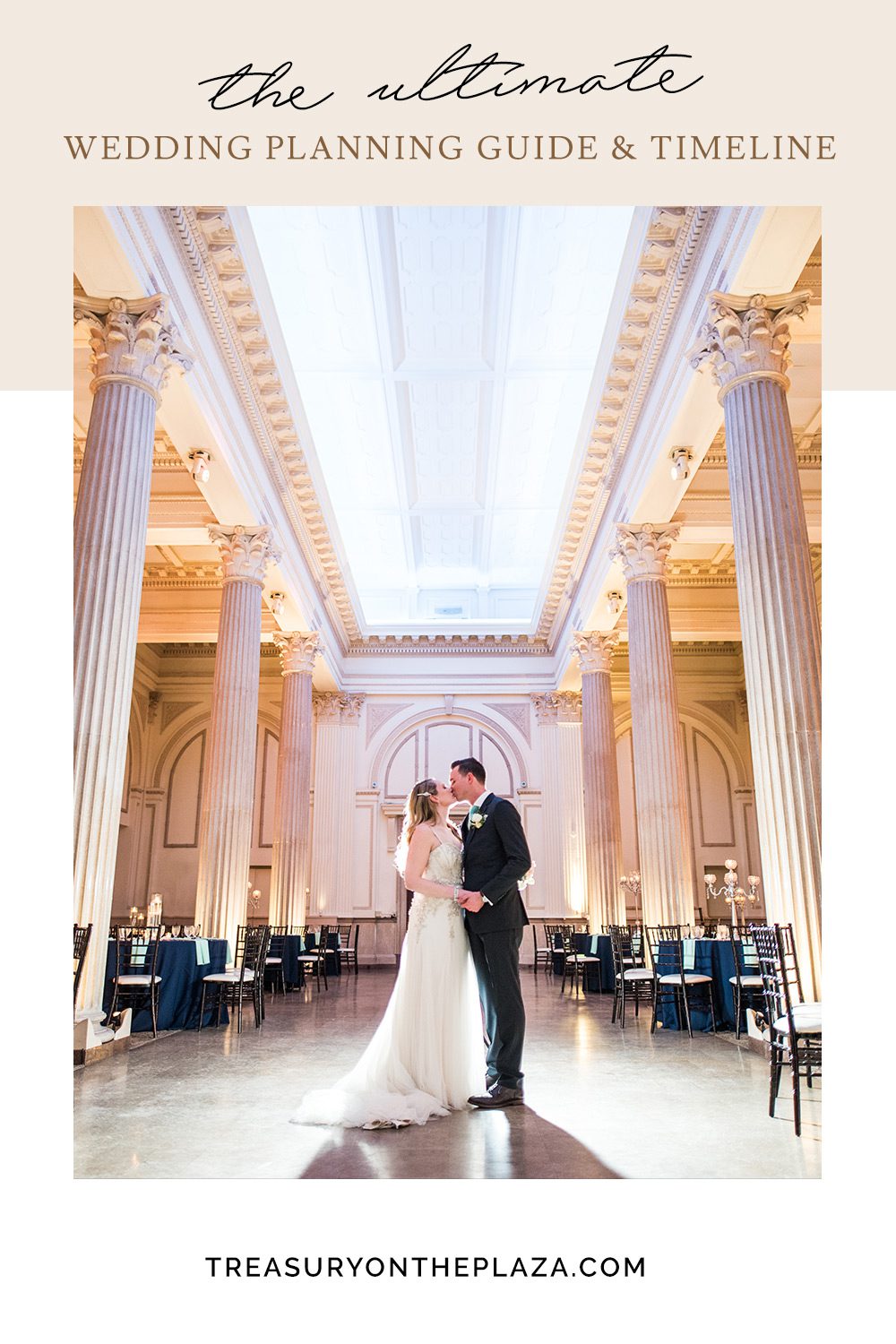
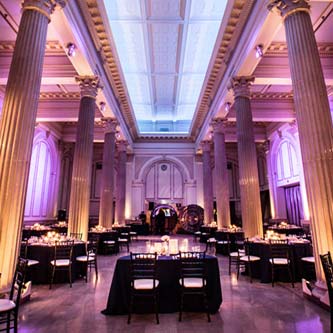
For couples planning a wedding in St. Augustine, The Treasury on the Plaza offers a unique advantage with its all-indoor layout. You can host both your ceremony and reception in one elegant space, creating a seamless experience for your guests. Architectural details such as marble floors, vaulted ceilings, and original vault doors also provide a strong design foundation from the start.

Jacqueline and Dan’s wedding reception in the Grand Ballroom at The Treasury on the Plaza.| Photo: Angelita Esparar
IV. Hire a Wedding Planner or Coordinator
If you’re planning to work with a wedding planner or coordinator, this is a great time to start exploring your options.
At The Treasury on the Plaza, couples are required to work with a professional coordinator from our curated vendor list for at least day-of services. While that might sound like just another item to check off, it’s actually a major advantage. We’ve carefully selected a group of experienced planners who know the venue inside and out, which helps everything run more smoothly on your wedding day.
From there, you can decide what level of support feels right for you. Some couples are comfortable handling most of the planning themselves and rely on a coordinator to step in closer to the wedding. Others prefer more hands-on guidance throughout the process, from design decisions to vendor communication and timeline development.
If you think you’ll want that additional support, it’s worth booking your planner early. Having someone to guide you from the beginning can make the entire experience feel more organized, less overwhelming, and a lot more enjoyable.

Lucy, a wedding planner with Coastal Celebrations, helped Emily and Ryan as they took photos in downtown St. Augustine. | Photo: Danielle Teresa Photo
V. Book High-Priority Vendors
Not every vendor needs to be booked at once, at the very beginning of planning. A more strategic approach is to start with the vendors who have the most limited availability.
These are typically the professionals who only take on one wedding per day or whose schedules fill up quickly. For many couples, that includes their photographer, planner, videographer, or entertainment.
The key is to prioritize based on both what matters most to you and which vendors are likely to book up first. Once your venue and date are secured, it becomes much easier to make these decisions in a thoughtful, organized way.

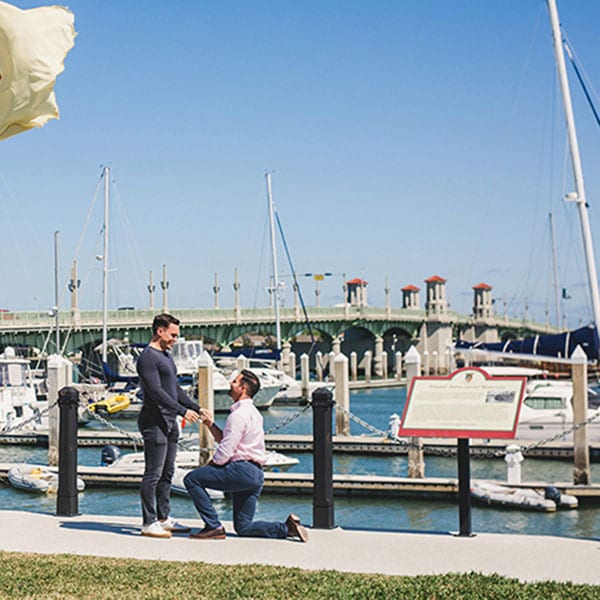
Photographer Angelita Esparar takes wedding day portraits of a bride and groom in downtown St. Augustine. | Photo: Angelita Esparar
Planning a St. Augustine Wedding?
Schedule your Treasury tour to see how a historic indoor venue can simplify the earliest planning decisions while still leaving room for a highly personalized celebration.
Schedule your Treasury on the Plaza venue tour
9–12 Months Out: Secure Your Core Vendor Team
Once your biggest decisions are in place, this phase is about building the team and visual direction behind your wedding. You’ve set the foundation. Now you can start bringing everything to life in a more detailed way.
This is also when planning starts to feel more real. Your venue is booked, your date is set, and the next layer of decisions begins to fall into place.
I. Book Key Vendors
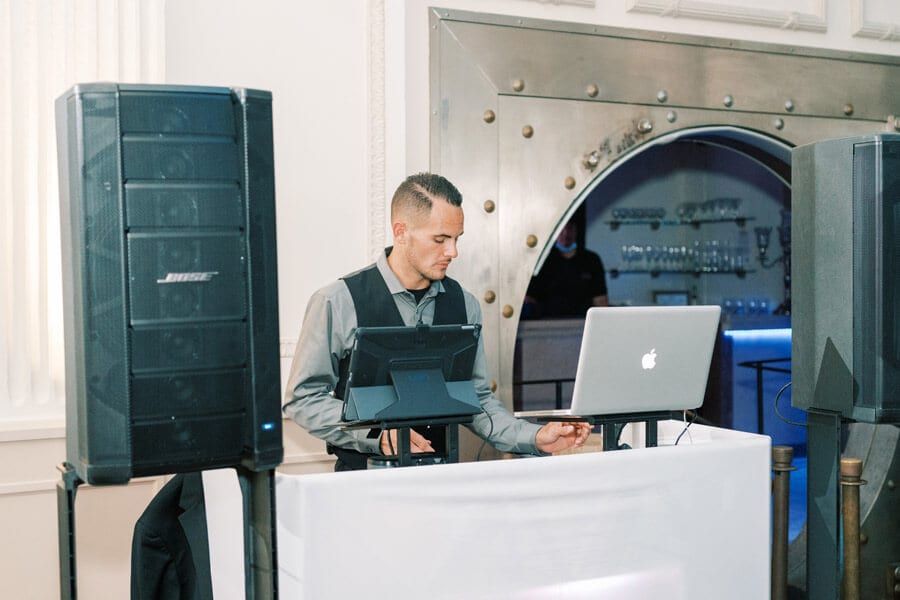
This is a great time to finalize your core vendor team if you haven’t already. That typically includes your entertainment, florist, hair and makeup team, and catering if it is not already provided by your venue.
Hair and makeup, in particular, tend to book earlier than many couples expect. If you have a specific look in mind, it’s worth reaching out sooner rather than later to find the right artists and check availability.
II. Start Dress Shopping
Dress shopping often begins earlier than many couples expect. Wedding gowns can take several months to arrive, and alterations require additional time, so building in that cushion makes a big difference.
This is your moment to start exploring styles and finding something that feels like you. Giving yourself plenty of time allows the process to feel relaxed and enjoyable, rather than rushed or stressful.
Starting early also makes it easier to coordinate the rest of your look, from your veil and shoes to jewelry and final fittings.

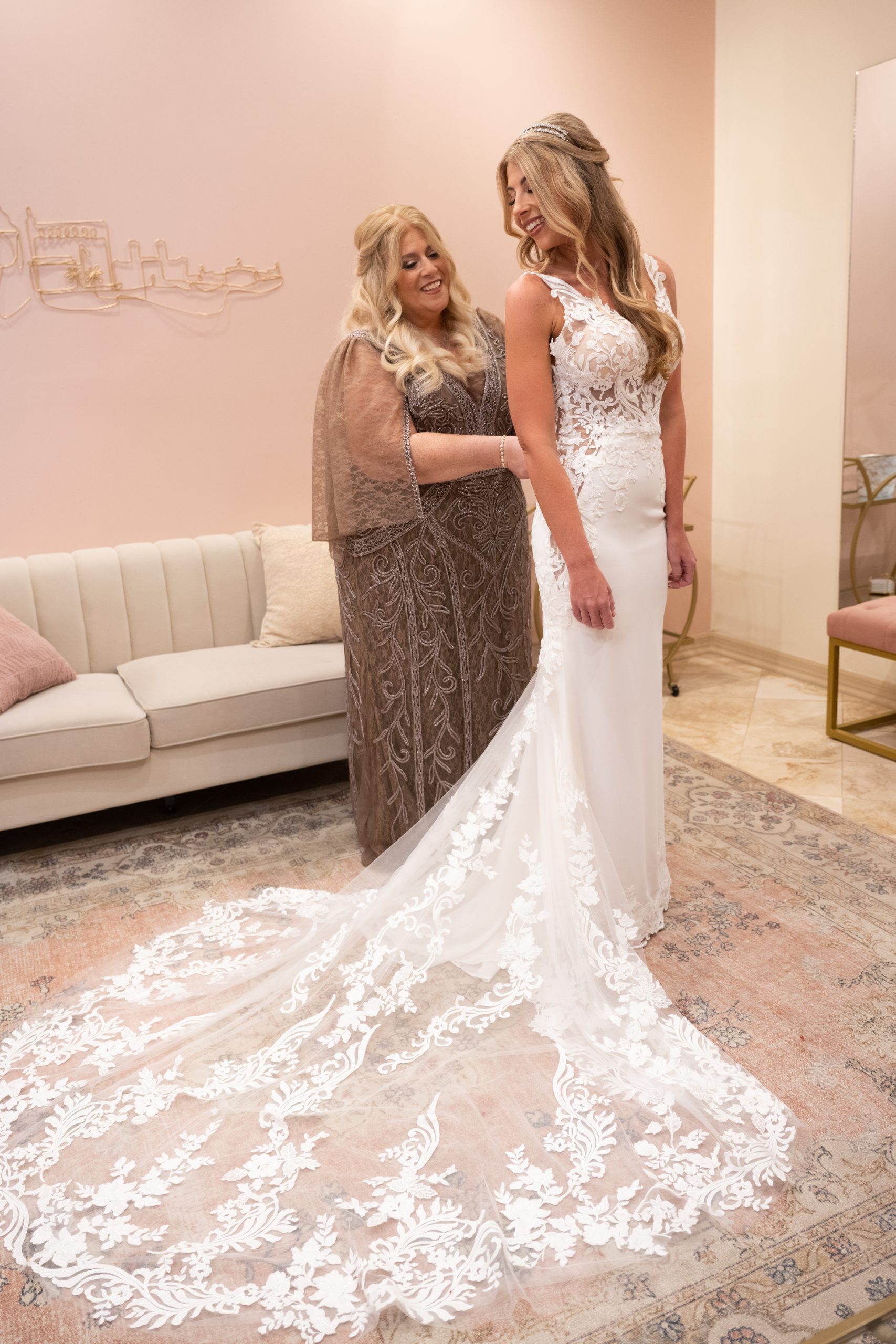
Alicia’s mother helps her get into her wedding dress in The Plaza Suite in St. Augustine. Photo: Angelita Esparar
III. Set Up Your Wedding Website and Registry
This is a great time to create your wedding website and start your registry. Neither is urgent, but both help you keep guests informed and make gift-giving easier.
A wedding website allows you to share key details, like your venue, accommodations, schedule, and travel tips, without trying to squeeze everything on your wedding save-the-dates or invitations. It’s especially useful for destination weddings, giving guests plenty of time to plan their travel and accommodations.
Many wedding websites also include a wedding registry. Your registry doesn’t have to be limited to physical gifts. Many couples include honeymoon funds, cash gifts, or charitable donations alongside traditional items. Thoughtful, curated options tend to feel more useful to your guests and reflect your lifestyle, rather than simply filling space because a registry is expected.
IV. Send Save-the-Dates
Once your date and venue are set and your wedding website is created, it’s time to start thinking about sending save-the-dates. These give your guests plenty of notice so they can reserve the weekend, plan travel, and prepare for your celebration.
Save-the-dates are especially important for destination weddings. Guests often need extra time to arrange accommodations and plan a full weekend around your event.
A downtown location like The Treasury on the Plaza makes this easier, since many hotels, restaurants, and local attractions are within walking distance. This helps guests fully enjoy the weekend without complicated logistics.

Selina and Mitchell’s Save the Date for their wedding at The Treasury on the Plaza. Photography By Ben and Kadin
V. Shape Your Wedding Style
Around this stage, your wedding design moves from general inspiration to a clearer style that your vendors can work with. You don’t need to finalize every detail (picking specific florals, linens, and rentals can wait), but the overall aesthetic should start taking shape.
Think about your color palette, mood, level of formality, floral direction, and the tone of the day. Clarifying these elements now makes later decisions, like rentals, signage, and guest-facing details, feel more cohesive and intentional.
At The Treasury on the Plaza, the room itself often guides these conversations. The Grand Ballroom brings character through its historic architecture, providing a strong visual foundation and allowing couples to focus on personal touches that enhance the space, rather than trying to reinvent it.
6–9 Months Out: Bring the Vision to Life
By this stage, your wedding starts to feel less conceptual. Many of your major bookings are already in motion, and the focus shifts toward shaping the experience in more visible detail. This is also the point where practical planning and aesthetic planning begin to overlap.
I. Choose Wedding Party Attire
Give your wedding party plenty of time. Coordinating attire for bridesmaids, groomsmen, and anyone else in your wedding party—considering different schedules, sizes, and budgets—often takes longer than couples expect.
Whether you’re selecting a specific look or providing a structured range of options, early clarity helps avoid last-minute scrambling and keeps the process smooth for everyone. Don’t forget shoes and accessories, so everyone feels coordinated and confident on the day.
If the groom or groomsmen plan to have custom suits made, be sure to allow extra time compared with rentals.

Heather and her beautiful bridesmaids in blue in The Plaza Suite. | Photo: Southern Palms Studio
II. Meet With Your Officiant
If you haven’t already chosen an officiant, now is the time. If you have, use this stage to discuss ceremony structure, traditions, readings, and vows.
Couples often spend so much energy on reception planning that the ceremony receives less intentional thought than it deserves. Now is the moment to shape both the emotional and logistical aspects of your ceremony.
III. Order Your Cake or Dessert
Cake and dessert vendors often have busy production schedules, especially during high-demand seasons. Ordering early gives you more flexibility, design options, and time to make thoughtful decisions.
This is also when you can decide whether you want a traditional cake, a dessert display, or a more unexpected option that reflects your style, event tone, and guest count.

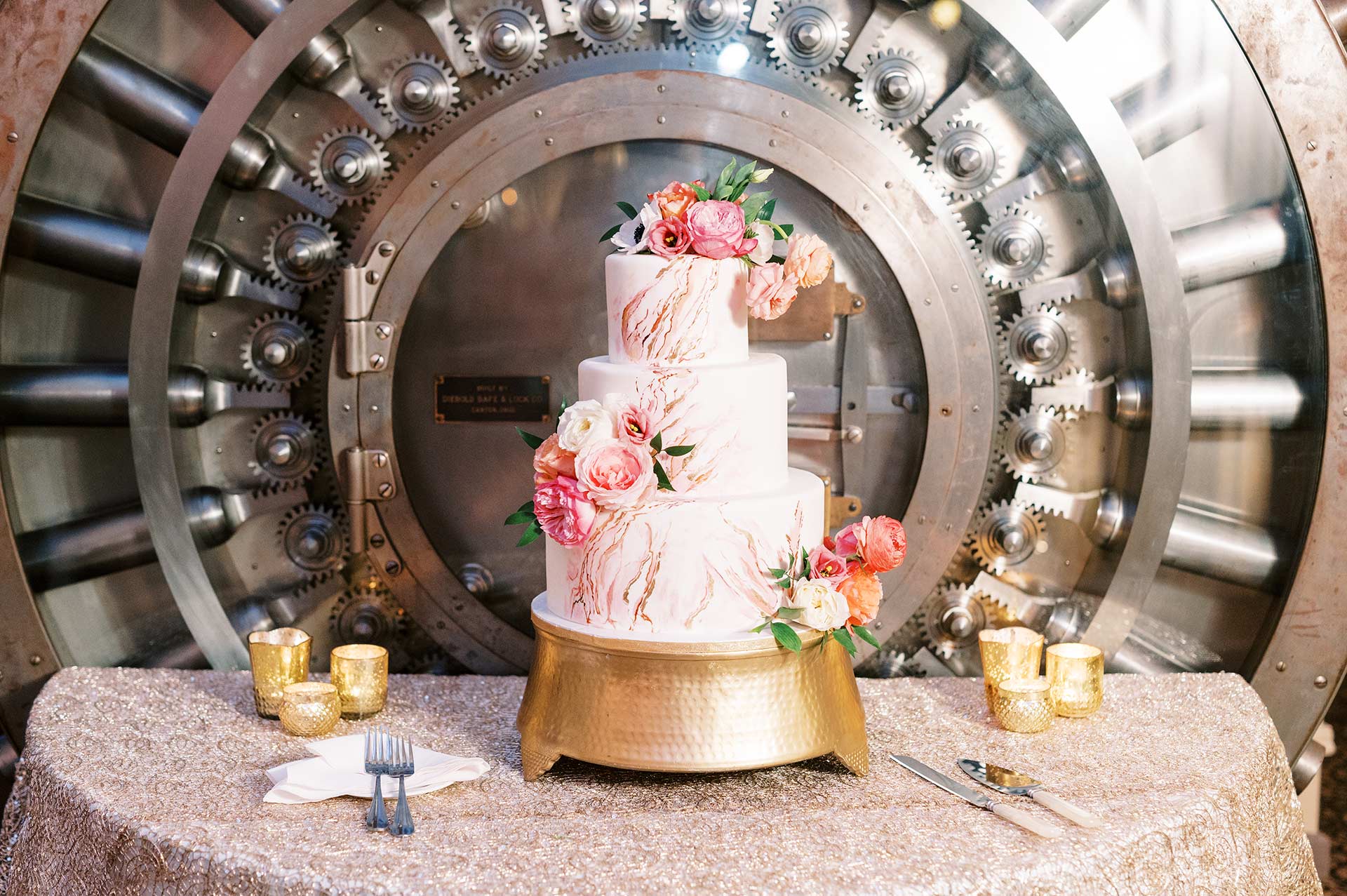
Addison and Anthony’s beautiful cake in front of the vault door at The Treasury on Plaza. | Photo: Barbara Ann Photo
IV. Book Transportation and Rehearsal Dinner Plans
Transportation isn’t necessary for every wedding, but if guests or the wedding party need to move between locations, this is the time to plan.
The same goes for your rehearsal dinner. If you already know your preferred setting, neighborhood, or type of experience, starting early gives you more options and control. Keep in mind that the groom’s family traditionally takes the lead on hosting this event, so coordinating with another group may require extra communication and flexibility.
If your rehearsal dinner includes a large group, venue options may be more limited, especially during busy weekends in St. Augustine. Planning ahead helps ensure you secure the space, menu, and timing that best suit your group.
V. Start Detailed Design Conversations
At this point, design should begin moving beyond general aesthetic references and into actual decisions. Florals, rentals, layouts, and table design all start becoming more concrete.
At The Treasury on the Plaza, these decisions are often more focused because the venue already provides a strong architectural framework. Couples can build on the dramatic indoor space, historic features, and the seamless layout that supports both ceremony and reception in one elegant room, rather than trying to create an atmosphere from scratch.
Looking For Your Dream Venue?
Explore Treasury’s wedding packages if you want a venue that combines architectural drama with a planning process that feels more structured from the outset.
Explore Treasury On the Plaza
4–6 Months Out: Focus on Guest-Facing Details and Styling
At this stage, your wedding starts to come together in ways your guests will experience directly. Invitations are sent, travel plans begin to take shape, and many of the visual and logistical details move from ideas into real decisions.
This is where planning becomes more tangible, both for you and for everyone attending your wedding.
I. Send Formal Invitations
Your invitations should go out with enough time for guests to RSVP, plan travel, and understand the flow of your wedding weekend, without pushing responses too close to the final month. Keep in mind when your vendors will need final guest counts for catering, bar service, and other details, and plan your RSVP deadline accordingly.
It’s also important to account for production and mailing time. Printing, assembly, and addressing can take longer than expected, and shipping delays are not uncommon. Ordering your invitations early and building in extra time for delivery helps ensure everything goes out when planned, without added stress.
For a destination wedding in St. Augustine, this is also your opportunity to reinforce the full guest experience. Add any updates or additional details to your wedding website. Details like accommodations, timing, and any additional events become much more tangible once guests receive their invitation.

Elizabeth and Kevin’s invitations for their wedding at The Treasury on the Plaza. | Photo: Angelita Esparar
II. Book the Honeymoon
If you’re planning to leave for your honeymoon shortly after the wedding, this is a good time to finalize those plans.
Book and sorting out travel details now helps avoid adding more decision-making to your to-do list during the final weeks of wedding prep, when your focus will be on wedding details.
III. Plan Welcome Events and Guest Activities
If you have guests traveling in, this is a great time to plan any additional events, like a welcome gathering or farewell brunch.
Downtown St. Augustine makes this especially easy. With restaurants, hotels, and attractions all nearby, your guests can enjoy a full wedding weekend experience without needing complicated transportation between events.
IV. Signage, Seating, and Day-Of Details
Signage and day-of details often include more than couples initially expect. In addition to a seating chart, you may have welcome signage, bar menus, ceremony programs, place cards, guestbook signage, and other custom pieces.
Starting this process now gives you time to make thoughtful design decisions and ensure everything feels cohesive with your overall vision. It also makes the final weeks of planning much calmer, since you’re refining details rather than starting from scratch.

Emily and Ryan’s amazing seating chart by Spellcraft Studio in the Exchange Gallery during cocktail hour. | Photo: Danielle Teresa Photo
2–3 Months Out: Lock Everything In
By this point, most of your major decisions are already made. Now the focus shifts to refining details, confirming plans, and making sure everything works together seamlessly.
I. Finalize Catering and Bar Details
This is the time to confirm your menu selections, bar package, dietary needs, and overall guest dining experience.
Many couples will also schedule their catering or bar tastings during this stage. These tastings are a great opportunity to refine your selections, ask questions, and feel confident in your final choices.
If you’re getting married at The Treasury on the Plaza, you’ll have the opportunity to attend a complimentary bar tasting. This allows you to sample signature drinks, explore different package options, and choose a bar experience that feels right for your celebration.
It’s also important that everyone involved in decision-making is aligned at this point. Revisiting earlier choices late in the process can create unnecessary stress, so this is a good moment to finalize everything with confidence.

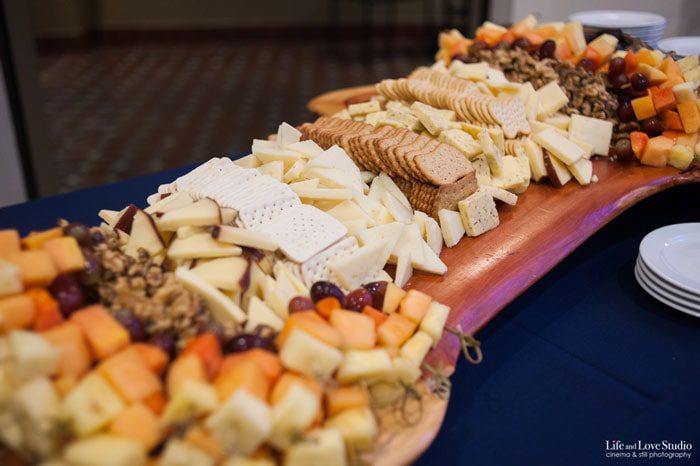
Chef’s Garden appetizers for Adira and Ryan’s cocktail hour. | Photo: Angelita Esparar
II. Start Developing Your Wedding Day Timeline and Floor Plan
This is where your wedding starts to come together in a more concrete way. Your timeline, floor plan, and overall flow should begin working together as one cohesive plan.
At this stage, your wedding coordinator and venue team will typically begin working with you to develop a more detailed floor plan and timeline. This is often an evolving process, with adjustments made as guest counts, vendor needs, and final details are confirmed closer to the wedding date.
If you’re hosting both your ceremony and reception at The Treasury on the Plaza, your timeline may require less buffer time between events. With everything taking place in one indoor location, transitions can be more streamlined, allowing the day to flow naturally without the need for additional travel or extended gaps.
III. Buy Wedding Rings
Wedding bands can seem simple, but sizing, engraving, and ordering timelines can take longer than expected. Taking care of this now helps avoid unnecessary stress closer to the wedding.
V. Order Wedding Favors and Wedding Party Gifts
Wedding favors and gifts are a heartwarming way to say “thank you” to your loved ones for celebrating the day with you. By now, your guest count, wedding party count, and event tone are clearer, which makes these decisions easier to make well.

Jessica and Alex passed out their customized t-shirts as their wedding favors during their reception. Photos by Rob
VI. Schedule Final Fittings and Beauty Trial
Your final dress fitting should happen during this window to ensure your gown fits perfectly and any last-minute alterations can be completed without stress. Bring your shoes, undergarments, and accessories to see the full look and test comfort and movement. Scheduling this fitting with enough time for adjustments is key. Too close to the wedding and you risk running out of time for tweaks; too early and the fit may change before the big day.
Your hair and makeup trial is an opportunity to finalize your look and feel confident about how you’ll appear in photos and in person. Bring inspiration photos, accessories, and any styling preferences so your team can help you achieve the exact look you want. Taking photos during the trial can help you see how your style translates in different lighting and angles.

Heather looking at her hair and makeup for her wedding day. Southern Palms Studio
2–4 Weeks Out: Shift Into Execution Mode
At this stage, your planning moves from decisions to execution. The focus is on confirming details, finalizing numbers, and ensuring everyone involved is working from the same plan.
I. Confirm All Vendors and Final Counts
Now is the time to make sure each vendor has everything they need—timing, logistics, contact names, and any last-minute updates that affect their role. The full wedding day timeline begins to take final shape here, and details should be moving into confirmation rather than ongoing revision.
II. Apply for Your Marriage License
Marriage license requirements vary by state, so be sure to review the process for where you’re getting married well in advance.
In Florida, couples can apply for a marriage license through any county clerk’s office. If one or both parties are a Florida resident, they must take a four-hour premarital preparation course, or wait three days before the marriage license goes into effect. Once issued, the license is valid for 60 days.
Because of these timelines, many couples plan to apply within a few weeks of their wedding date to ensure everything is valid and in place.
For the most accurate and up-to-date information, you can visit the Florida Courts website or check directly with the local clerk’s office where you plan to apply.
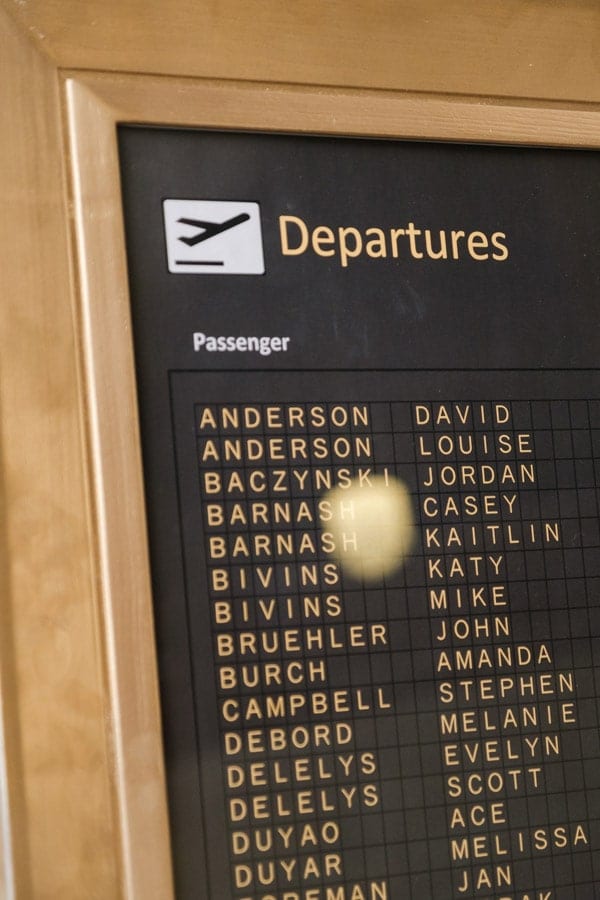
III. Finalize Your Seating Chart, Escort Cards and/or Place Cards
By this stage, your seating chart and place cards should be in the final stages. Confirm all guest names, placements, table counts, meal indicators, and any other details well in advance so there’s time to make adjustments if needed.
Consider guest needs and dynamics—such as family arrangements, accessibility requirements, and friend groups—so everyone is comfortable and can enjoy the day. You may want to print extra place cards or keeping a few blank ones on hand for last-minute guests or changes.
IV. Organize Final Payments & Gratuities
One of the least glamorous but most important tasks is handling final payments. This includes paying any remaining balances to vendors and allocating gratuities for staff, including catering, bar service, and other key team members. Decide in advance who will be responsible for distributing these payments to avoid last-minute stress on the wedding day.
1 Week Out Through The Big Day: Hand It Off and Be Present
The final week should not be about making new decisions. By now, your focus is on confirming, rehearsing, and letting your support team take over the logistics so you can actually enjoy the moments leading up to your wedding.
I. Final Confirmations
Use this time to make sure everyone (vendors, your planner, your wedding party, and key family members) is aligned. If your planning has been organized thoughtfully, this week should be about trusting the process and following through, not scrambling for last-minute fixes.
II. Ceremony Rehearsal
The ceremony rehearsal usually takes place the day before the wedding and is your chance to walk through the flow of the ceremony with your officiant, wedding party, wedding coordinator, and other key vendors. You’ll practice processional timing, seating, and any special moments so that everyone knows their role.
III. Rehearsal Dinner and Welcome Events
This is the point where your wedding truly begins to feel real Rehearsal dinners and welcome gatherings are more than tradition, they offer a chance to gather the people closest to you before the pace of the wedding day takes over. For destination weekends in St. Augustine, these events can also help guests settle in and enjoy the city before the big day.

Sophia and Will’s rehearsal dinner. | Photo: HoneyBee Photography
IV. Let Your Planner or Coordinator Take Over
If you’ve hired a planner or designated a point person, now is when their support is most valuable. Couples rarely benefit from trying to manage every operational detail in the final hours before the wedding.
A venue like Treasury on the Plaza makes the final week and the wedding day run smoothly thanks to its experienced event team. Your dedicated event manager works closely with your vendors to coordinate timing, setup, and logistics, ensuring that the day unfolds seamlessly so you can focus on being present and enjoying the moment.
V. Enjoy the Day
After months of planning, the most important part is to be present and savor the moment. Your vendors, planner, and venue team have everything covered, so your focus can be on celebrating with the people you love. Let go of small details, soak in the atmosphere, and enjoy the experience you’ve worked so hard to create. This is the day you’ve been planning for!
Final Thoughts on Using a Wedding Planning Timeline
A wedding planning timeline is most helpful when it guides you through decisions in the right order, rather than just serving as a reference or checklist. When foundational choices, like budget, guest count, and venue, are clear, the rest of the planning process feels less overwhelming because each step naturally builds on the one before it.
Many couples assume wedding planning is stressful because there’s so much to do. In reality, the process becomes much more manageable when you break it down into smaller tasks and spread them out over time. Tackling decisions step by step makes the overall planning experience feel less overwhelming and more enjoyable.
Your venue choice, and the wedding package you select, can have a significant impact on your planning timeline. The Treasury on the Plaza offers more than a beautiful setting. This indoor downtown St. Augustine venue allows couples to host both ceremony and reception in one elegant space, provides structured package options to simplify planning, and includes an expert team to guide you every step of the way.